
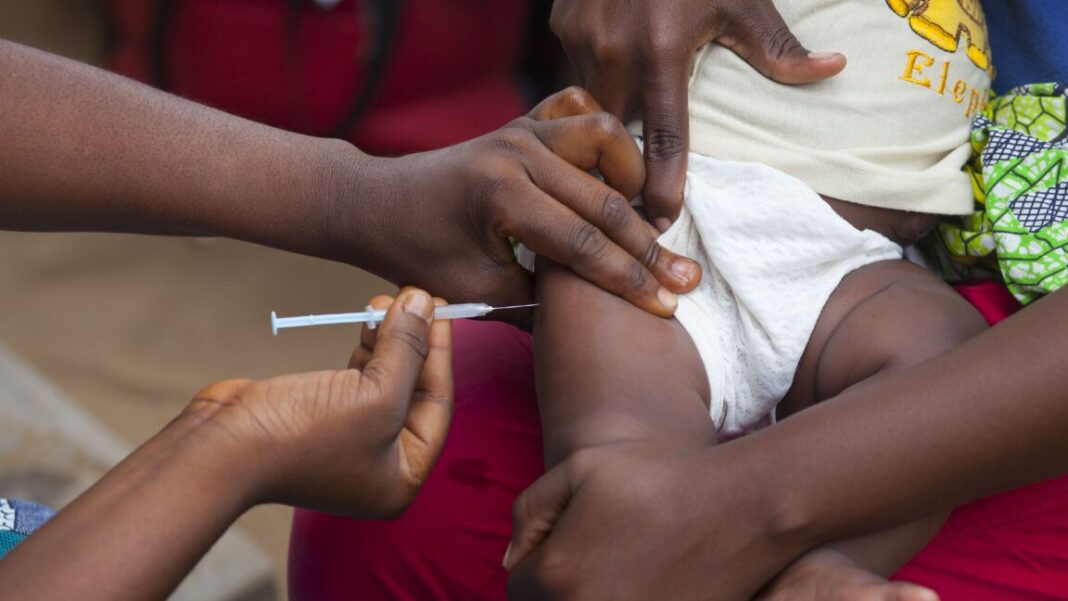
“Exploiting scarcity is not ethical,” the WHO wrote in its statement today.
Dangerous trial
The United Nations health agency highlighted that the hepatitis B vaccine birth dose is “an effective, and essential public health intervention” that has “been used for over three decades, with more than 115 countries including it in their national schedules. “
“It prevents life‑threatening liver disease by stopping mother‑to‑child transmission at birth,” the WHO wrote, noting that more than 12 percent of adults in Guinea-Bissau have chronic hepatitis B.
In a section subtitled “Why withholding the vaccine is unethical,” the WHO lays out all the reasons the trial is dangerous.
“From what is publicly described, the [trial] protocol does not appear to ensure even a minimum level of harm reduction and benefit to the study participants (e.g., screening pregnant women and vaccinating newborns exposed to hepatitis B),” the WHO wrote.
As a proven lifesaving vaccine, withholding it from some study participants would expose newborns to serious and potentially irreversible harm, including chronic infection, cirrhosis, and liver cancer, the WHO argues. There is no scientific justification for withholding a proven intervention, and there is no credible evidence of the safety concerns that Benn and her colleagues claim to be looking for in their trial. The WHO also noted that the publicly available information about the trial indicates that it will be a single-blind, no-treatment-controlled design, which “raises a significant likelihood of substantial risk of bias, limiting interpretability of the study results and their policy relevance.”
As of now, the trial appears to be suspended. Nature News reported that in a January 22 press conference, health officials in Guinea-Bissau said that a technical and ethical review was pending. “There has been no sufficient coordination in order to take a final decision regarding the study,” Quinhin Nantote, the minister of public health for Guinea-Bissau, said. “Faced with this situation, we decided to suspend it.”
Previously, the Africa Centres for Disease Control and Prevention suggested that the trial would not go forward. However, the US Department of Health and Human Services provided a statement saying that it was “proceeding as planned.”